
Blog Feng shui
Feng shui basics for a home that sells and feels right
By Deb Espinoza · September 18, 2026
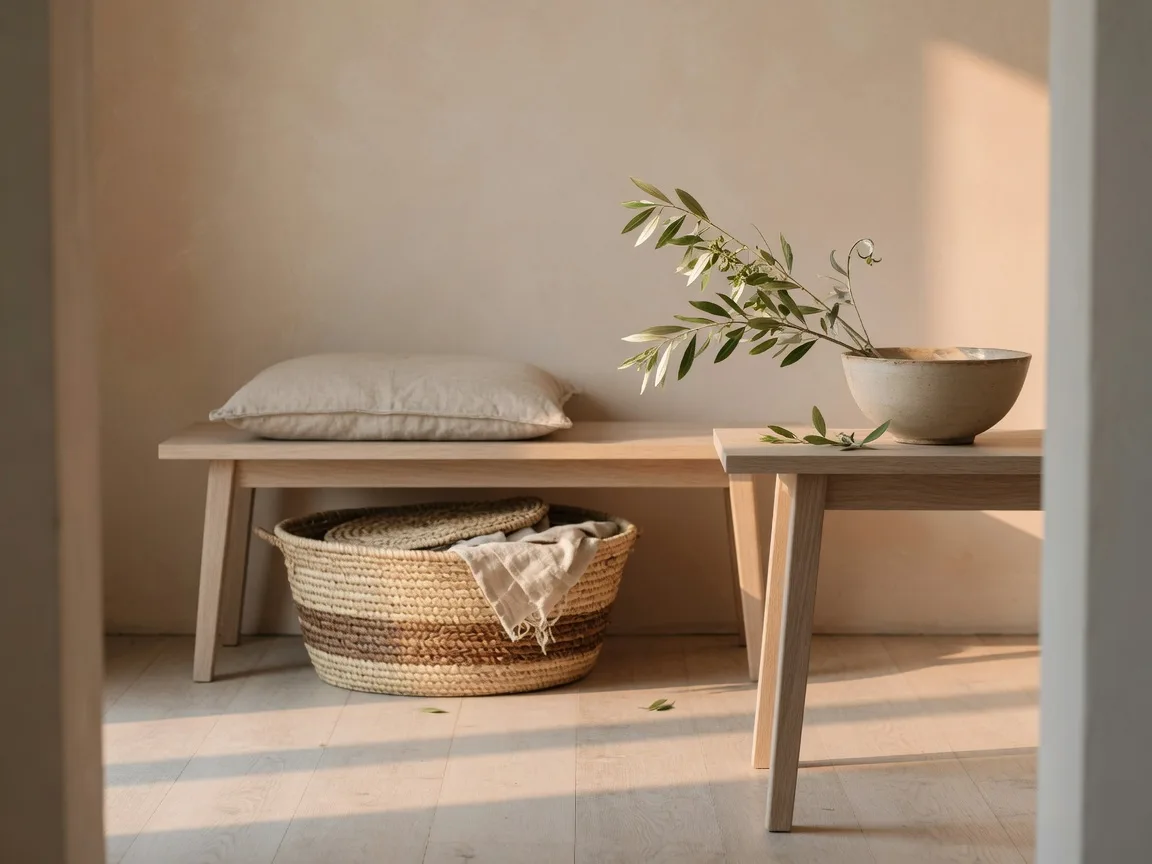
Feng shui is often treated as mystery, but the parts I use every day are simply good design with a pulse: a home should welcome you, move you through easily, and let you breathe. Those exact same qualities are what make a home sell.
I trained in feng shui to understand why some rooms feel instantly calm and others feel stuck. The principles turned out to be practical, and they double as a staging checklist. Here are the basics I apply to every home I prepare, whether the buyer is a stranger or my own client.
The entryway sets the tone
In feng shui, the front door is where a home receives its energy, and that's also where a buyer forms their first impression. A clear, bright entryway says "this home is organized and ready." Shoes corralled, a mirror where you need it, one beautiful thing at eye level: that's enough.
If the entry is dark, fix that first. A warm light, a light paint refresh, a plant with good shape. I've seen a dark hallway alone cost a home its first "yes," and the fix is usually a weekend's work.
Light moves energy
Stagnant corners, heavy drapes, and bare dark rooms all share one problem: the light doesn't travel. Open the windows, pull back the curtains, and think about your bulbs. Warm, layered lighting turns a "fine" room into a "let's sit here" room.
Mirrors are the feng shui secret weapon. Placed across from a window, they double the light and the view. Placed in a narrow hallway, they open the space. A few mirrors quietly solve more staging problems than a new sofa.
Let a room breathe
Feng shui talks about chi, or life energy, moving through a home. You'll feel it as space: clear paths between rooms, furniture that doesn't block the flow, and surfaces that have room for a life to land on them.
In staging terms, that's decluttering and furniture placement. Push the sofa a few inches off the wall, clear the walkway from the door to the biggest window, and edit the tabletops to three or four meaningful objects. Rooms feel larger when they aren't crowded, and buyers pay for that feeling.
Bring the outside in
Wood, plants, natural fibers: these are the materials feng shui leans on, and they're the same textures that make modern interiors feel human. A healthy plant in a warm pot, a linen throw, a wooden bowl: small natural touches that make a house feel lived-in without feeling lived-in, if you know what I mean.
None of this requires a perfect home or a big budget. It requires attention, which is exactly what your home deserves when it meets its buyers.
Curious what feng shui could fix in your home?
Deb Espinoza offers feng shui consultations for listing prep and for making your current home feel right, whether you plan to sell this year or stay for a decade.
See the studio services